The Causes, Symptoms And Treatment Options For Chondromalacia Of The Knee
Patient Education Articles | Mar 3, 2025
When we think of knee pain, we oftentimes picture an aching knee in an older individual that has been subjected to decades of normal stress and strain. While most people with chronic knee issues are over the age of 50, there are millions of very active younger people in a daily battle with knee discomfort. A more common condition in younger individuals is chondromalacia patella (softening of the kneecap cartilage surface). In today’s blog, we take a closer look at chondromalacia of the knee in general and how the condition can be prevented and treated.
Causes And Symptoms Of Chondromalacia
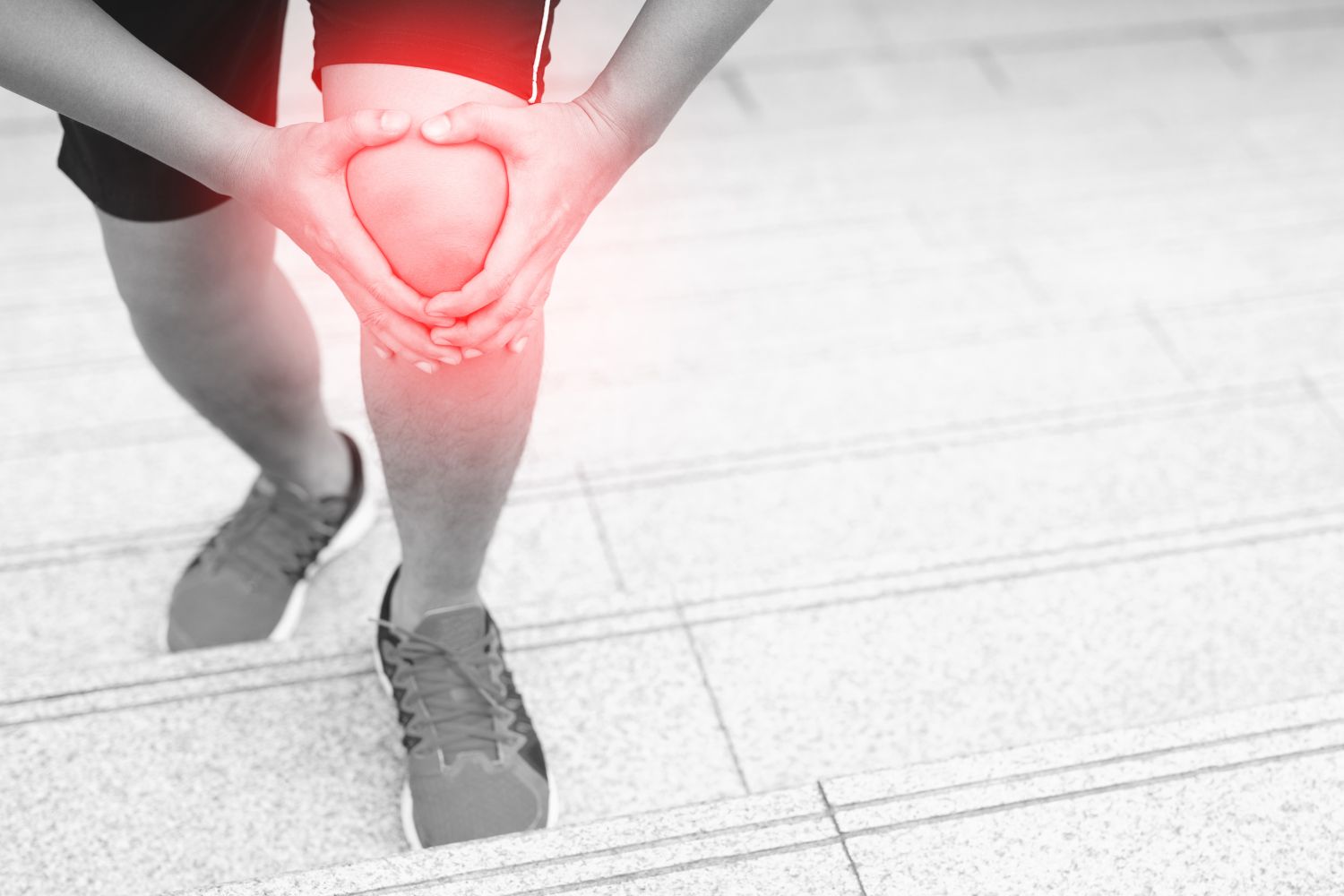
Chondromalacia, also commonly referred to as runner’s knee, is a condition that develops when the soft cartilage on the patella is damaged or irritated. This cartilage allows the knee joint to move smoothly as it glides across the knee when the joint is bent. Damage to the cartilage acts like small potholes on a street, or cracks in the sidewalk, interrupting the steady flow of movement for any vehicle or pedestrian unfortunate enough to hit them.
Damage to the patella’s protective cartilage can develop in a few different ways, and in younger individuals it is typically tied to overuse and repetitive stress on the knee joint. Akin to its name, runners and other athletes who put significant strain on their knees without ample rest periods are at a heightened risk for chondromalacia. Individuals with previous knee trauma and women with more lateral alignment of the kneecap are also at a higher risk because of natural body mechanics that tend to put more pressure on the outer half of the patella.
Symptoms of chondromalacia include:
- Knee pain
- Tenderness
- Swelling
- Stiffness
- A grating or grinding sensation when straightening the knee
- Discomfort that increases during or after physical activity
Diagnosing And Treating Chondromalacia
Dr. Reznik goes into greater detail about chondromalacia and runner’s knee in his latest publication The Knee & Shoulder Handbook, and it can be a great reference if you hope to manage the condition on your own without in-person professional intervention. Most doctors can diagnose chondromalacia without an imaging test (although they may use plain x-rays to rule out other issues), so it’s possible to conduct a self-assessment and begin a focused treatment plan on your own. In this way you can see how your knee responds before connecting with a physician. If you’re dealing with the above symptoms and have been putting a lot of strain on your knees recently, consider following some of the conservative treatment options listed below.
Unlike damage from arthritis, minor and mild damage from chondromalacia can typically heal without surgery. Treatment typically involves three cycles:
- Cycle 1 - Rest and activity avoidance should be pursued to allow inflammation to resolve and to protect the knee from further damage. Non-steroidal over the counter medications (like Motrin, Advil or Aleve) may also help reduce some inflammation provided they don’t upset your stomach. Cartilage supplements like glucosamine and chondroitin have variable results and the people that do respond to these love the results. Dr. Reznik suggests trying them for a month and if there is no change, stop using them since they don’t work for you. If they do help, they are food supplements and there is little harm in using them. There were some concerns about using glucosamine and sugar levels in diabetics, that seems to not be an issue when studied.
- Cycle 2 - Physical therapy should be pursued for a few weeks and can help strengthen the knee and supporting structures, taking some strain off the patella and reducing your risk of a recurrence. There one should work on getting the VMO (medial or inner quads) stronger to take some of the lateral pressure off the knee. Taping and bracing can help too. However, be aware, very tight kneecap braces can equally apply too much pressure and make things worse.
- Cycle 3 - PT and strength training continues as you gradually take on more sport-specific exercise and work towards a return to normal activities.
Many patients find that conservative care provides good enough relief. Still some patients may need more hands-on help, and in these cases, surgery may be pursued. A minimally invasive arthroscopic surgery to remove damaged cartilage or tissue may be considered, or a release overly tight knee ligaments or, pending on your anatomy, a more complex procedures correcting patellar alignment may be pursued. Your doctor will talk to you about your anatomy and the specifics of an operation should it become necessary.
Chondromalacia can be successfully managed with conservative measures in most instances, so back off your activity and consider some strength training/PT exercises at the first sign of a problem. Left untreated, knee pain can intensify and make daily activities much more challenging, so don’t put off treatment. If malalignment is the problem, realignment can improve the health of the kneecap and, as a preventive procedure, decrease the risks of severe mechanical kneecap arthritis later in life.
For more information about chondromalacia treatment or help with different knee issues, pick up a copy of The Knee & Shoulder Handbook, available now on Amazon or at Barnes & Noble.
