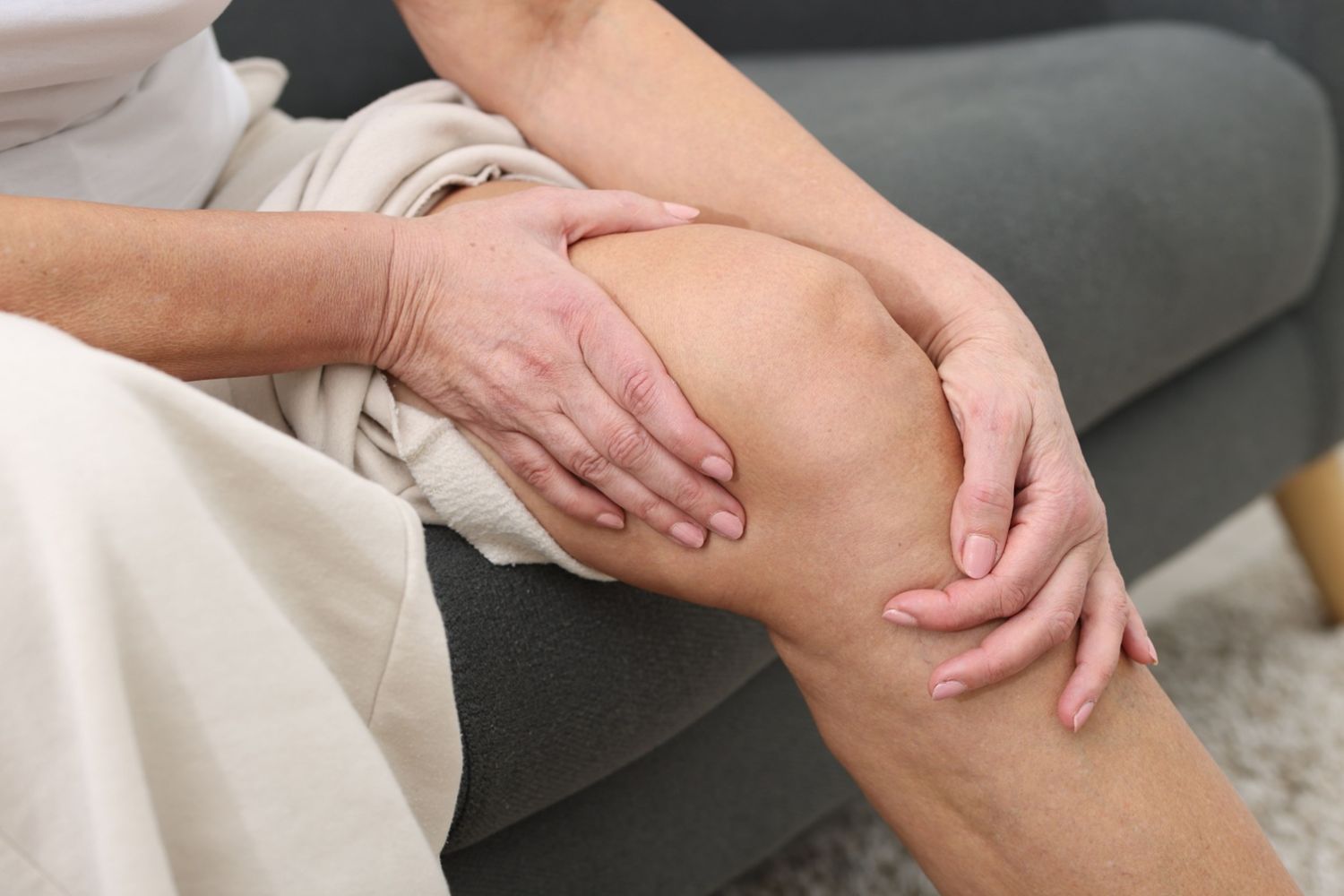
Inner Knee Pain - Treating Medial Plica Syndrome
Patient Education Articles | Oct 13, 2025
Are you dealing with pain on the inner side of your knee?
While there are many different common conditions that cause pain in the inner knee, one sneaky culprit is known as medial plica syndrome. This condition is often caused by repetitive motion and may be present when the pain is closer to the inner side of the kneecap than the joint. It can make walking, running, and moving a bit uncomfortable. Fortunately, you can work to overcome this condition by following a few tips. Below, is a closer look at inner knee pain.
What’s Causing My Inner Knee Pain?
The inside of your knee joint is protected by a thin membrane called the synovial lining; it helps to keep tissues lubricated to ensure optimal movements. Given the size, shape and function of the knee, this membrane tends to fold over itself in certain spots. Most people have four membrane folds in each knee, and these folds are called plicas. The folded areas have a greater likelihood of becoming irritated or inflamed, and when this happens on the inner side of the knee, it’s known as medial plica syndrome.
Medial plica syndrome is caused or worsened by:
- Repetitive stress on the knee without ample recovery time
- Gait abnormalities
- Poor footwear choices
- High foot arches
- Overweight/Obesity
- Genetic predisposition (for example, being born with larger plica)
Medial plica syndrome is especially common in athletes, runners, and cyclists who regularly stress their knees and irritate these folds. Roughly 10 percent of the population will experience plica syndrome at some point in their life. Symptoms of the condition include pain, tenderness, swelling, a clicking or popping sensation when bending the knee, and reduced knee flexibility.
Diagnosing And Treating Medial Plica Syndrome
Plica syndrome is best diagnosed during a visit to your orthopaedic specialist. You’ll describe your symptoms and their onset to your physician before they take a closer look with a physical exam. They may also have you perform some basic movements to rule out other problems. It is the best way to diagnose this condition. If there is a given injury, they may wish to rule on a meniscus tear, medical collateral ligament tear, or bone problem with the help of a good exam, history and an X-ray.
The good news is medial plica syndrome typically responds well to some simple conservative care techniques. First and foremost, you’ll want to give your knee some short-term rest from impact activities. Anti-inflammatories can also prove useful during the initial stages of recovery. Rest and protection are important. It’s not the only thing you’ll want to do for your inner knee discomfort. Based on some of the causes and risk factors, other helpful treatments include:
- Physical Therapy - PT can strengthen the knee joint and the structures that support the knee, taking stress off the knee.
- Weight Loss - Weight loss can reduce the amount of stress placed on your knees.
- Footwear Modifications - Getting into a more supportive pair of shoes can take stress off your knees.
- Orthotic Inserts - A custom orthotic insert can redistribute how stress is dispersed across your foot, which will also impact upline joints like your knees and your hips, working to improve stress patterns in these joints as well.
- Gait Retraining - Targeted gait retraining exercises will also ensure that stress is more appropriately displaced along the lower half of your body.
- NSAIDs: Non-Steroidal Anti-inflammatory Medications. Reducing swelling of the soft tissues is a keystone of treatment. Ice and drugs like Motrin, Advil, or Aleve (or topical anti-inflammatory gels like Diclofenac and longer lasting prescription medications in the same family) can reduce the swelling around painful plica. These may shorten the recovery time. Ask your doctor if you can have one of these meds provided you don’t have medical reasons to avoid them.
Most patients see enough relief from simple treatments that an operation for medial plica syndrome is almost never necessary. In rare cases, a minimally invasive arthroscopic procedure may be necessary to remove the angry plica if the simple treatments fail.
Orthopaedic Knee Surgeon
See your orthopaedic surgeon if you have significant inner knee pain. Maybe you have plica syndrome and put an end to your inner knee pain by following the above advice. If you don’t have plica syndrome and have medial pain, find out about the other common and uncommon things that cause inner knee pain by getting a copy of Dr. Reznik’s Knee & Shoulder Handbook on Amazon and at Barnes & Noble.
