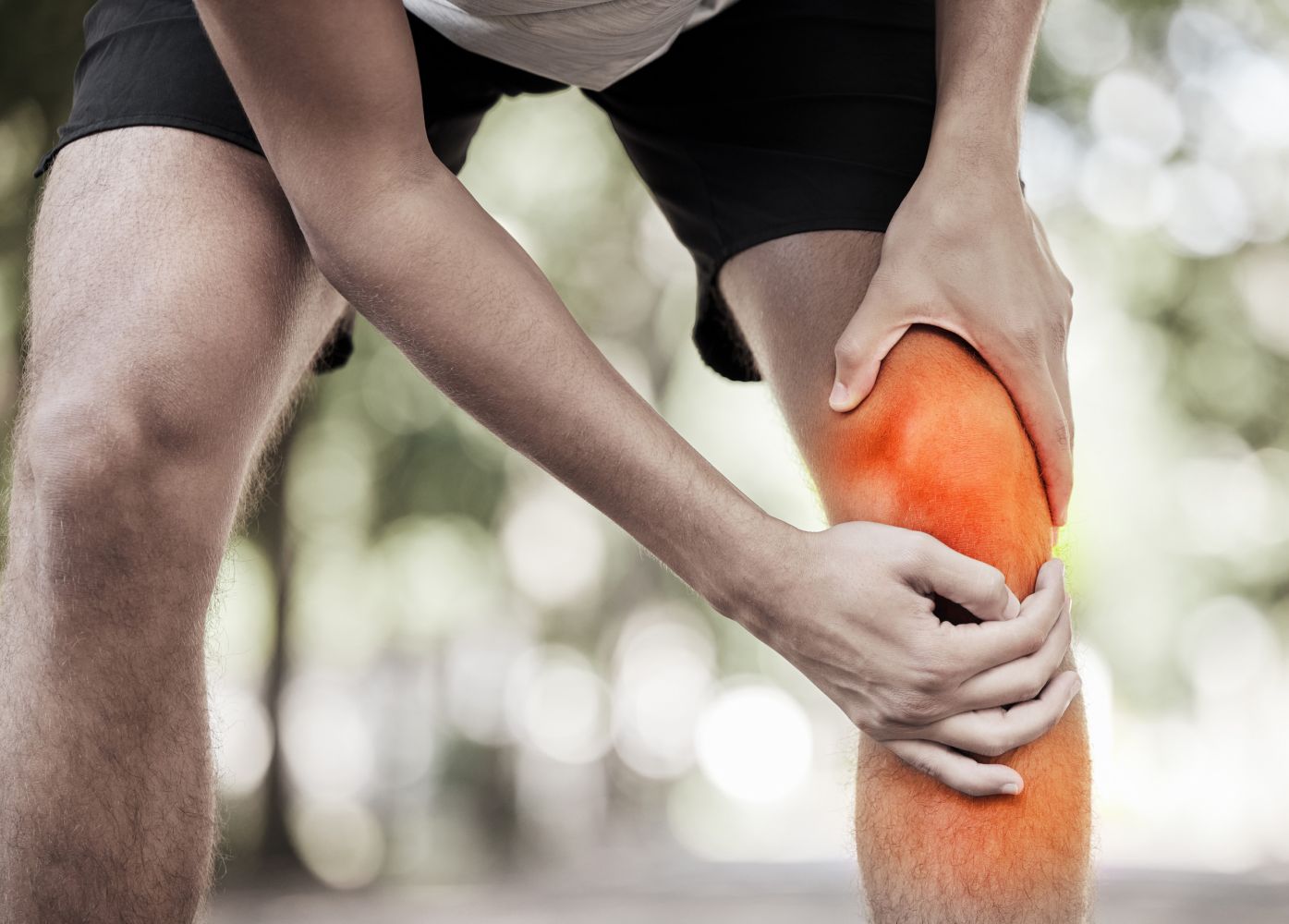
Returning To Sports After a Dislocated Kneecap
Patient Education Articles | Dec 15, 2025
Your kneecap is a special bone that sits in front of the knee joint. It connects your thigh muscles to your shin bone. The connection of the muscle to the bone includes two tendons (the quadriceps tendon to the patella tendon). The muscle, tendons and kneecap are provide stability to the knee and allow use to run, jump, kick, balance on one leg, and climb stairs. To work properly the knee bends and straightens, the kneecap moves smoothly up and down a groove called the trochlea. The kneecap is also called the patella.
Together, the muscle, bone and tendons act as a pulley system that increases the power the muscle generates, improving knee function and muscle efficacy at the same time. This is extremely important for the majority of the physical activity we do each and every day.
When we are active, a trauma or significant force can pop the patella out of the groove. The kneecap can become "dislocated." It can stay out of place or more often pop back in as the knee is straightened out. This injury is more common in athletes that run, jump or twist during sports. One of the most common questions an injured athlete asks is “When can I get back on the field?” In this patient education article, we explain the process of getting cleared to return to athletics following a patella or "kneecap" dislocation.
Kneecap Dislocation Injuries and Treatment
Kneecap dislocations, or the medical term “Patella dislocations,” most commonly occur with a direct or forceful trauma on the kneecap, causing it to shift out of its groove. Contact during sports, a hard fall off a mountain bike or a ladder, or a traffic accident are all common ways that a patella can shift out of position. The kneecap can also be “pulled out of place” when the knee is rotated in a way that the quadriceps muscle actually pulls the kneecap to the outer side of the knee. The strong quadriceps muscles can stretch or even tear the weaker ligaments that hold the knee in place. The MPFL (the medial patella femoral ligament) can be torn. When the knee cap dislocates, even for a few seconds, the most common symptoms are:
- Pain
- Swelling
- Instability
- Difficulty straightening or bending the knee
- Difficulty bearing weight or walking
In some cases, it is very clear that the kneecap has dislocated because you can visibly see the shift in the patella when looking at the knee (and paired with some of the above symptoms). The knee can be locked in place and sometimes a doctor must put it back before the knee will move again.
In many instances, doctor intervention is not needed to reset the kneecap into position. Sometimes, a gentle movement pulls the knee straight and kneecap pops back into the groove. Even if the kneecap does end up finding its way back into the normal groove, you’ll want to consult with a specialist to assess the extent of the damage to the connective tissues, bleeding into the knee and the possibility the cartilage inside the knee joint was damaged during the trauma that caused the dislocation. Similarly, prompt medical attention is required if the patella does not shift back into position on its own or if the cartilage has broken off one of the internal knee surfaces, as a doctor can quickly help to reposition the kneecap and help figure out if there is any associated cartilage damage.
In many cases there are anatomic (structural) reasons for the kneecap dislocation. These include tightness on the lateral side of the knee. Some people are born with a shallow groove, a tilted kneecap with tracking to one side and even a kneecap that rides too high in the groove. Other patients are born with naturally loose joints and dislocate with ease. Genetic laxity is also a cause. One example is a rare collagen condition like Ehlers-Danlos. Still others have a “knock” knee alignment that also puts the kneecap at risk for slipping out of place.
Returning To Athletics After a Patella Dislocation
Returning to sports or moderate-intensity exercise after a kneecap dislocation will take several weeks. Even though the kneecap has been repositioned, it will take time for the connective tissues to recover from the trauma of the dislocation, (the torn MPFL can heal in first time dislocators). You’ll want to strengthen the area with physical therapy to ensure your knee can handle normal stress patterns associated with activity. In most instances, return to sport takes about 6-8 weeks after a patella dislocation. If there is a significat alignment issue and the dislocations are recurring, return to sports will take longer especially if surgery is required. Return typically coming 6-12 months after surgery pending the type of surgery you need, but most first time dislocations can be managed conservatively.
Following weeks of physical therapy, your doctor will work to clear you for a return to athletics. In general, there are six criteria they will be assessing when reviewing whether you should be cleared for full athletic participation. Those seven factors are:
- No pain
- No effusion (fluid buildup within the knee joint)
- No instability
- Complete range of motion
- Comparable strength to uninjured knee
- Full Healing of any surgical repair
- Clear dynamic stability (stability during common knee motions)
If your doctor finds that all these factors are present, you’ll be cleared to return to athletics. Just remember that your conditioning may have been affected by your limited activity over the past few weeks, so a gradual return to sports is advised. Some athletes feel more secure using kneecap bracing or patella taping when first back at full play. Jumping back into full athletics at a pre-injury level of intensity can lead to faster fatigue if you don’t help your body prepare for this stress, so it’s wise to ramp up activity and intensity slowly and listen to your body as you take on greater physical challenges. Remember a second dislocation should be fully evaluated by an orthopaedic sports specialist as it is a sign that this problem will be ongoing without correction of the underlying knee problem.
For more information about returning to athletics after a kneecap dislocation or a related knee injury, reach out to Dr. Reznik and his team today. You can also learn more about knee injuries and their treatment protocols by picking up a copy of his most recent publication, The Knee & Shoulder Handbook, available today on Amazon and at Barnes & Noble.
